


Are E-Bike Brakes Different? What You Need to Know
When you’re comparing e‑bikes, it’s easy to zero in on motor power, battery range, or how sleek the design is. But brakes deserve equal attention—especially on e‑bikes, which are heavier and often ride faster than traditional bicycles. The type of brake system you choose affects stopping power, control, maintenance, and overall safety.

So yes, e‑bike brakes are different, and they matter more than many riders realize. Here’s what you need to know.
What makes e‑bike braking unique?
E‑bikes add weight from batteries and motors, and riders often travel at higher speeds or ride longer distances than on a typical bike. That puts extra stress on the braking system in three main ways:
-
More heat and wear: longer or faster rides generate more heat in the brake system, especially on descents.
-
Greater stopping demand: heavier bikes take more force to slow quickly and safely.
-
Wider range of riding conditions: urban stop‑and‑go, rain, or carrying cargo all call for consistent, reliable braking.
For these reasons, the specific brake technology and how it’s maintained are key differences between e‑bikes and ordinary bicycles.
The two main disc brake types on e‑bikes
1) Mechanical disc brakes
Mechanical or cable‑actuated disc brakes use a steel cable to pull the brake caliper. They’re often found on lower‑cost bikes because they’re simpler and cheaper to produce. However, several expert sources note tradeoffs:
-
Mechanical systems are generally less efficient at transferring lever force to the caliper than hydraulic systems.
-
They rely on cables that can create friction or stretch, which can slightly reduce braking efficiency.
These factors can mean modestly weaker stopping power and a different lever feel compared to hydraulic systems. For casual riders on flat, low‑speed terrain, mechanical brakes may be acceptable—but they’re not the best match when safety margins matter more.
2) Hydraulic disc brakes
Hydraulic systems use fluid in sealed lines to transfer force from the lever to the caliper. This setup offers several clear advantages that have made hydraulics a standard choice on higher‑end bikes and many e‑bikes:
-
Stronger braking power and more precise control at the lever. A leading cycling publication reports hydraulic disc brakes are the undisputed winner in performance, offering more power, finer control, and often lighter overall weight.
-
Better modulation and consistent performance even as pads wear. Independent testing has highlighted hydraulic systems’ superior lever feel and ability to self‑adjust for pad wear, helping maintain consistent braking.
-
Weather tolerance and lower friction loss, since sealed fluid lines don’t suffer from the same issues as exposed cables.
These characteristics are especially important for e‑bikes, where the rider may need to brake hard or repeatedly over varied terrain, rain, or longer rides.
Why hydraulic disc brakes are the safer choice for most e‑bike riders
Given the extra demands on e‑bike braking, hydraulic systems deliver several real-world benefits:
-
More confidence on descents or in traffic: stronger, more predictable stops reduce the chance of panic braking or wheel lock‑up.
-
Lower short‑term maintenance: sealed systems adjust as pads wear, so riders spend less time constantly tweaking cables.
-
Better overall durability: hydraulic systems are designed to perform reliably over time, even with heavy use.
For riders who carry cargo, commute daily, or venture into hilly or mixed terrain, this matters far more than the small price savings mechanical systems may offer.
A note on maintenance for any good brake system
No matter what setup you choose, basic care keeps brakes working at their best:
-
Check pads and rotors regularly for wear or contamination.
-
Clean rotors to avoid oil or dirt buildup.
-
For hydraulic systems: schedule periodic checks or fluid service as recommended by your shop or manufacturer.
-
Listen for unusual sounds such as squeaking, which can signal cleaning or pad replacement is needed.
Your bike should feel responsive and predictable every ride, not just when new.
Why Cikada uses hydraulic disc brakes on all models
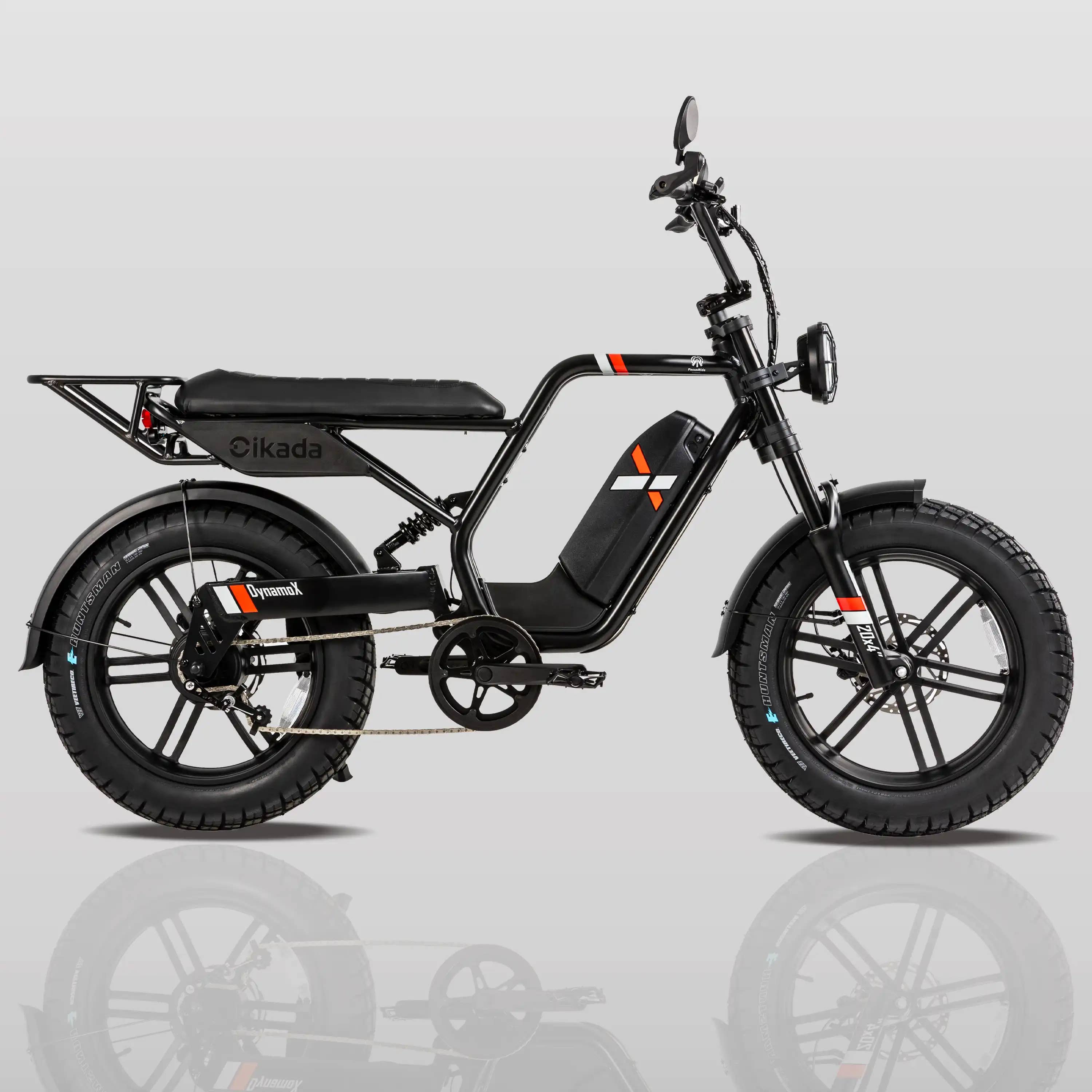
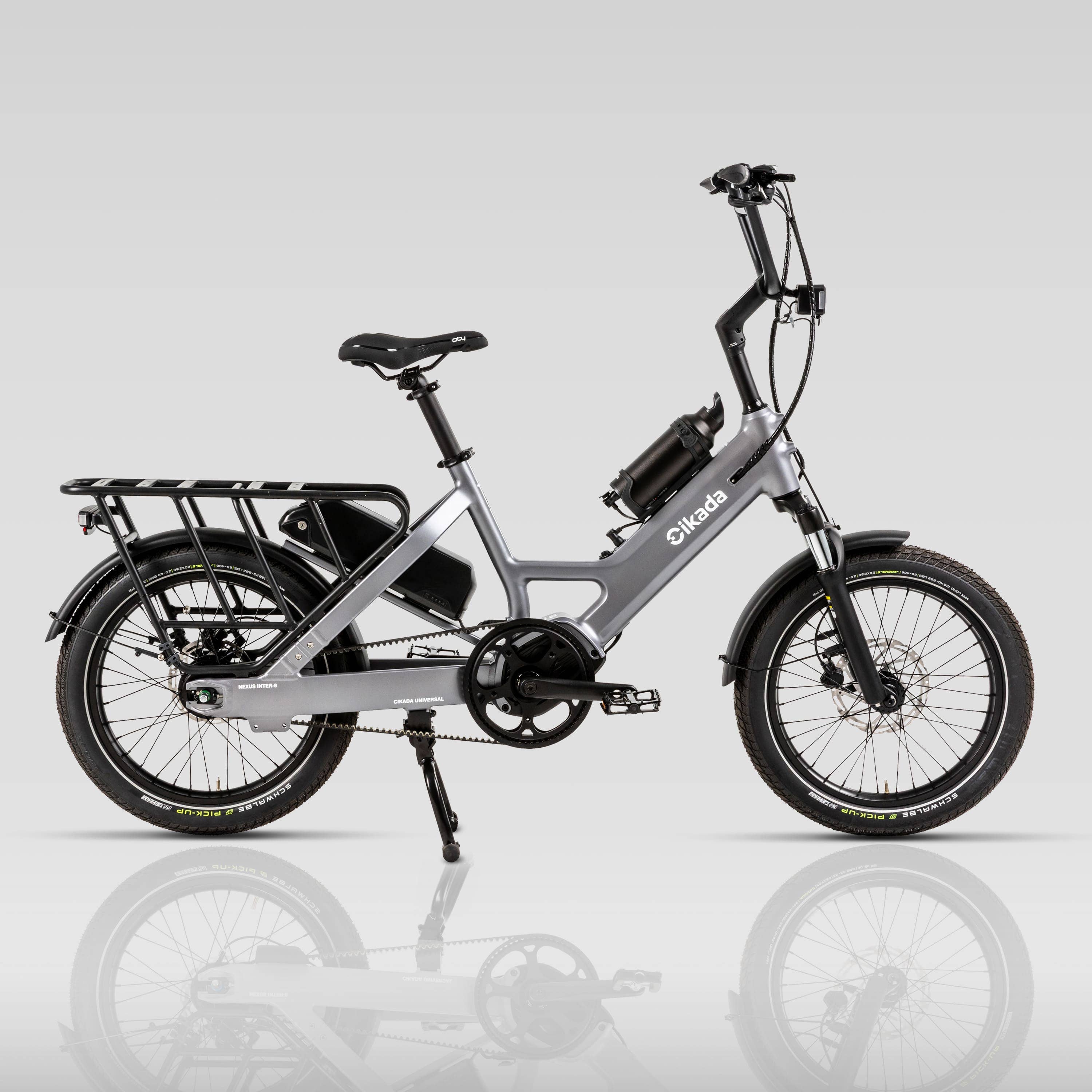
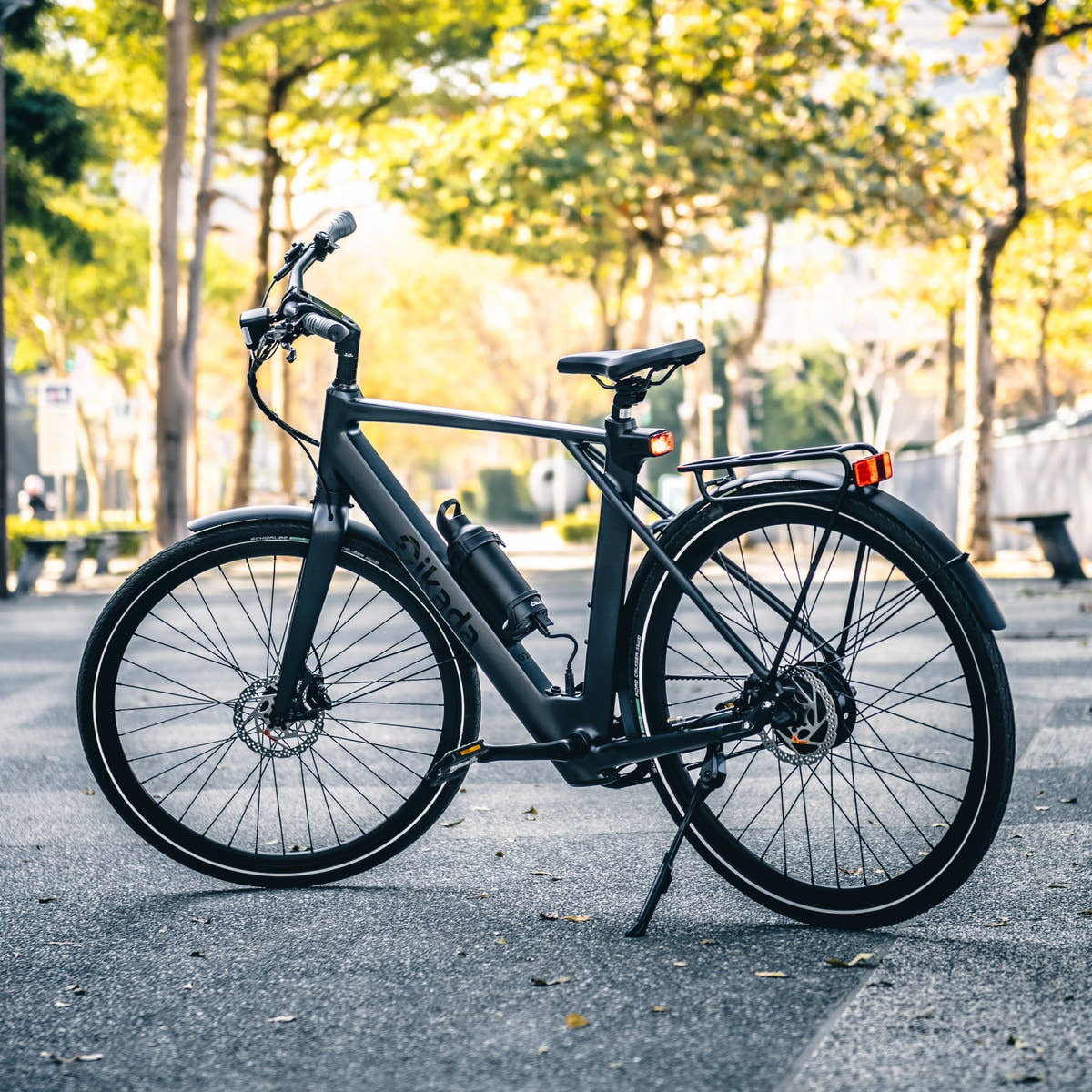
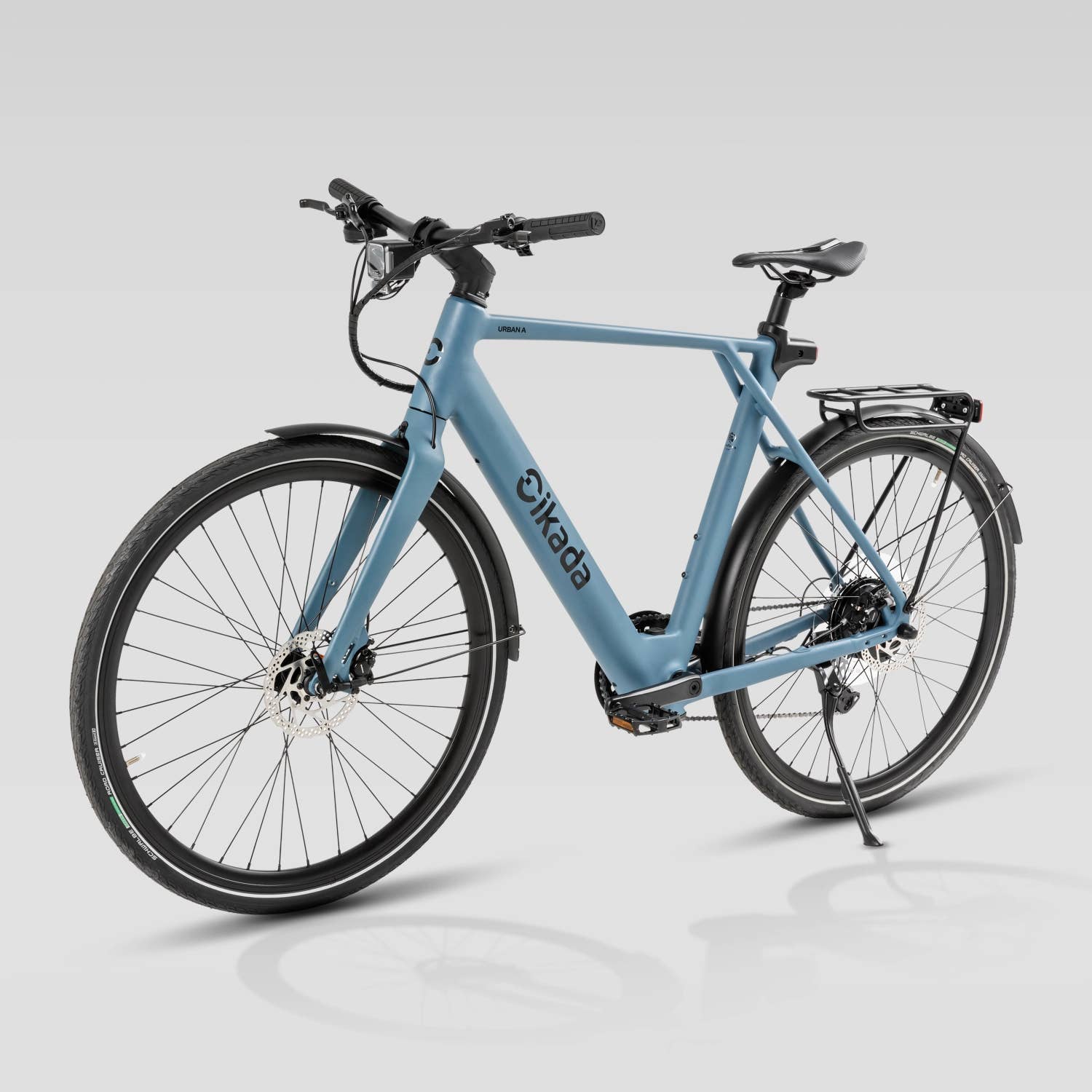
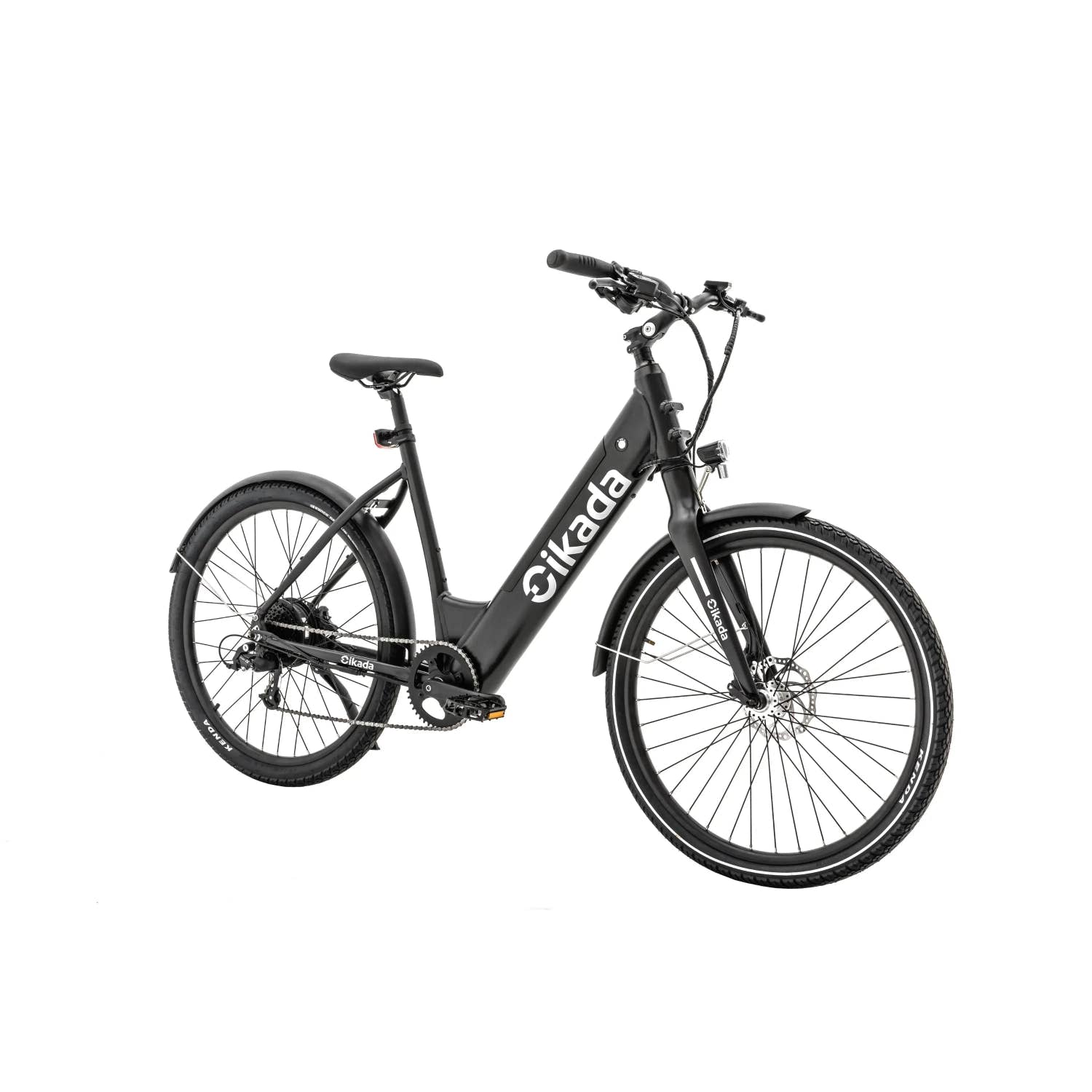
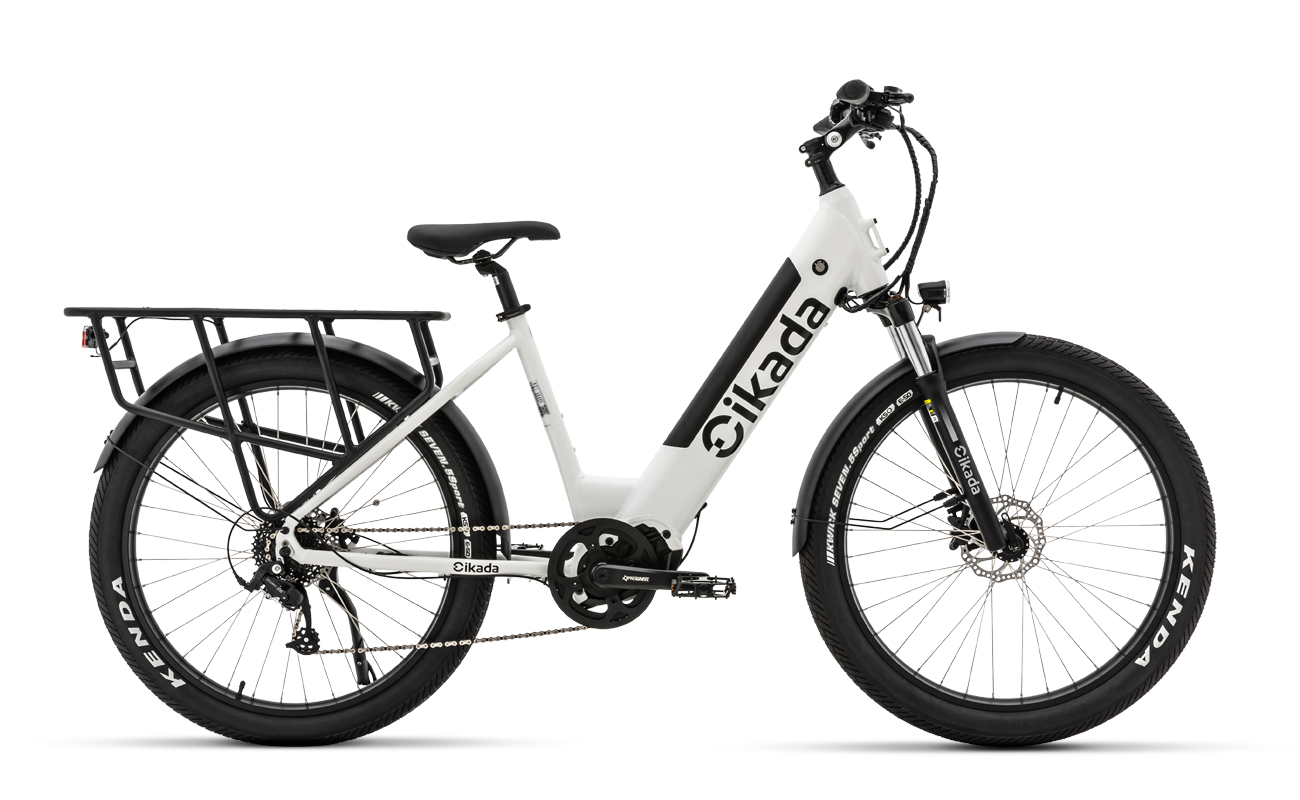
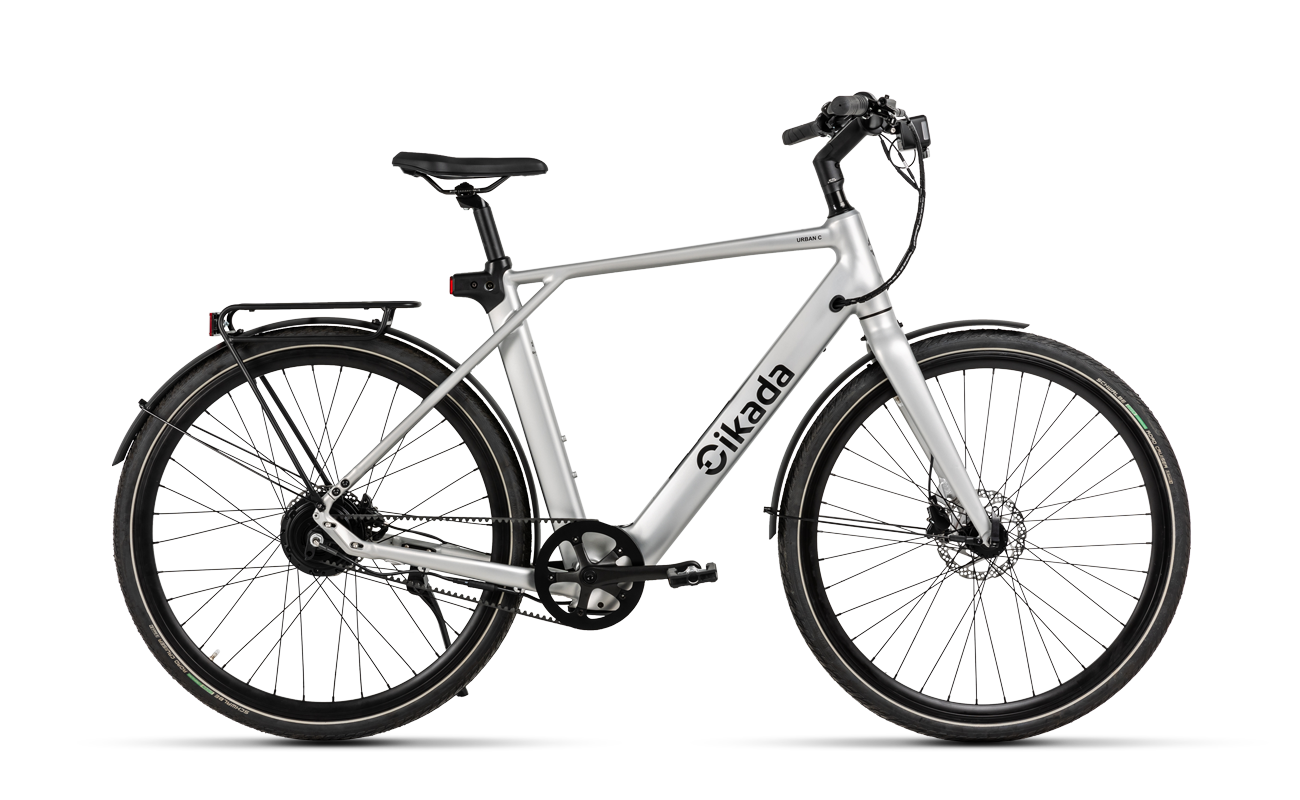
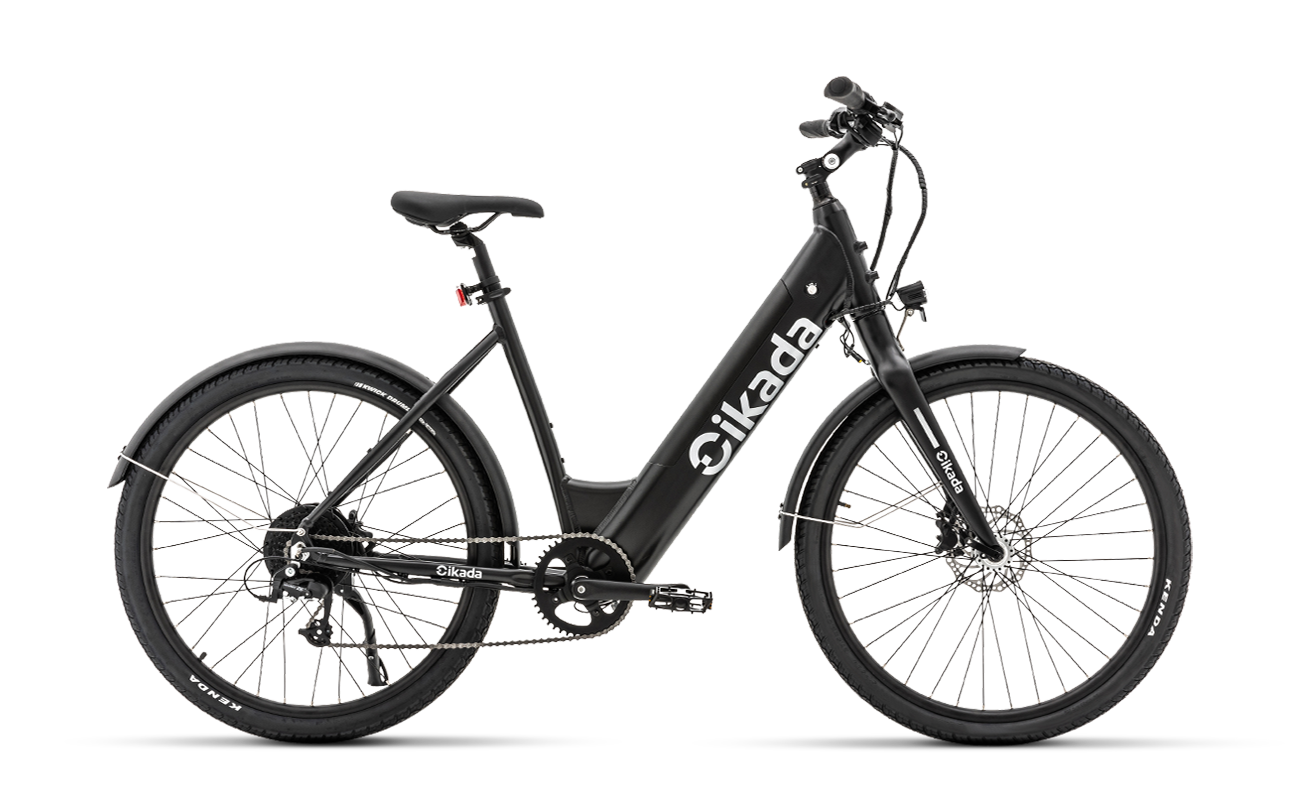
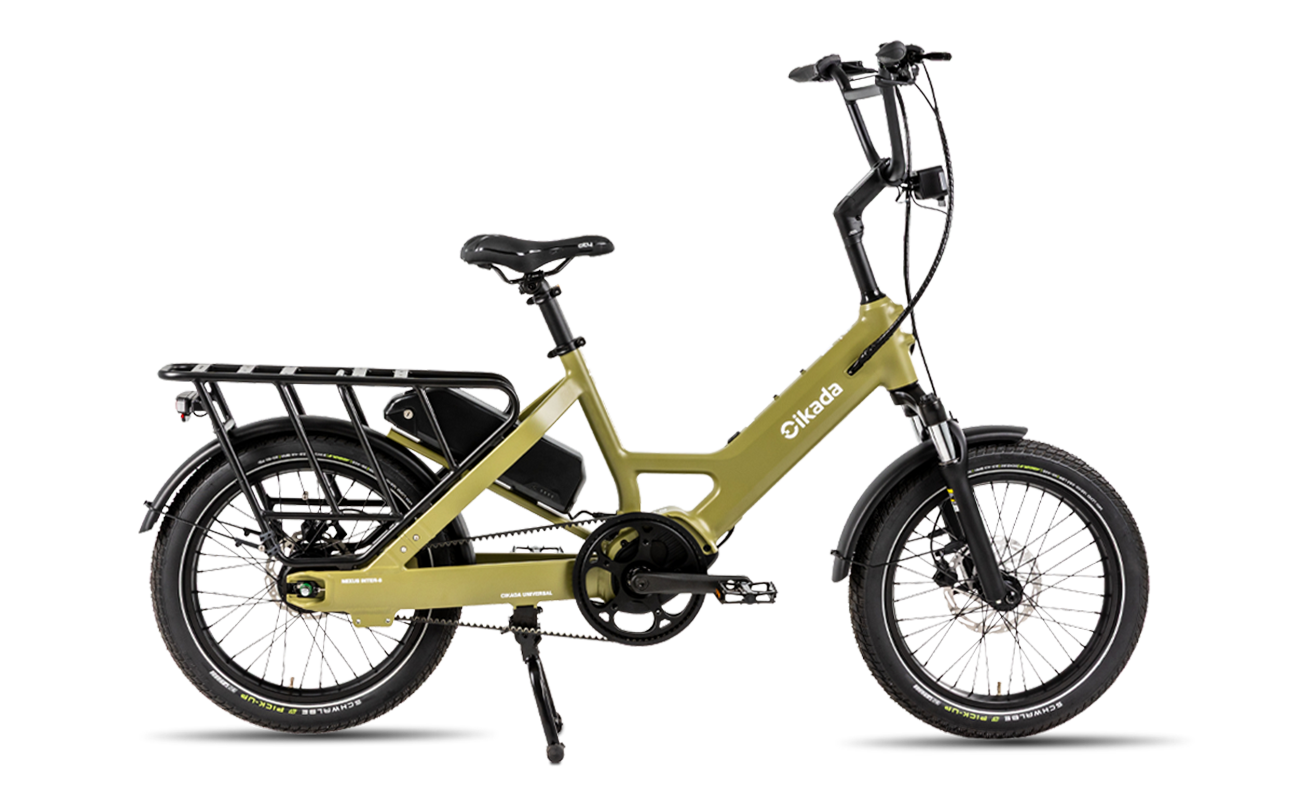
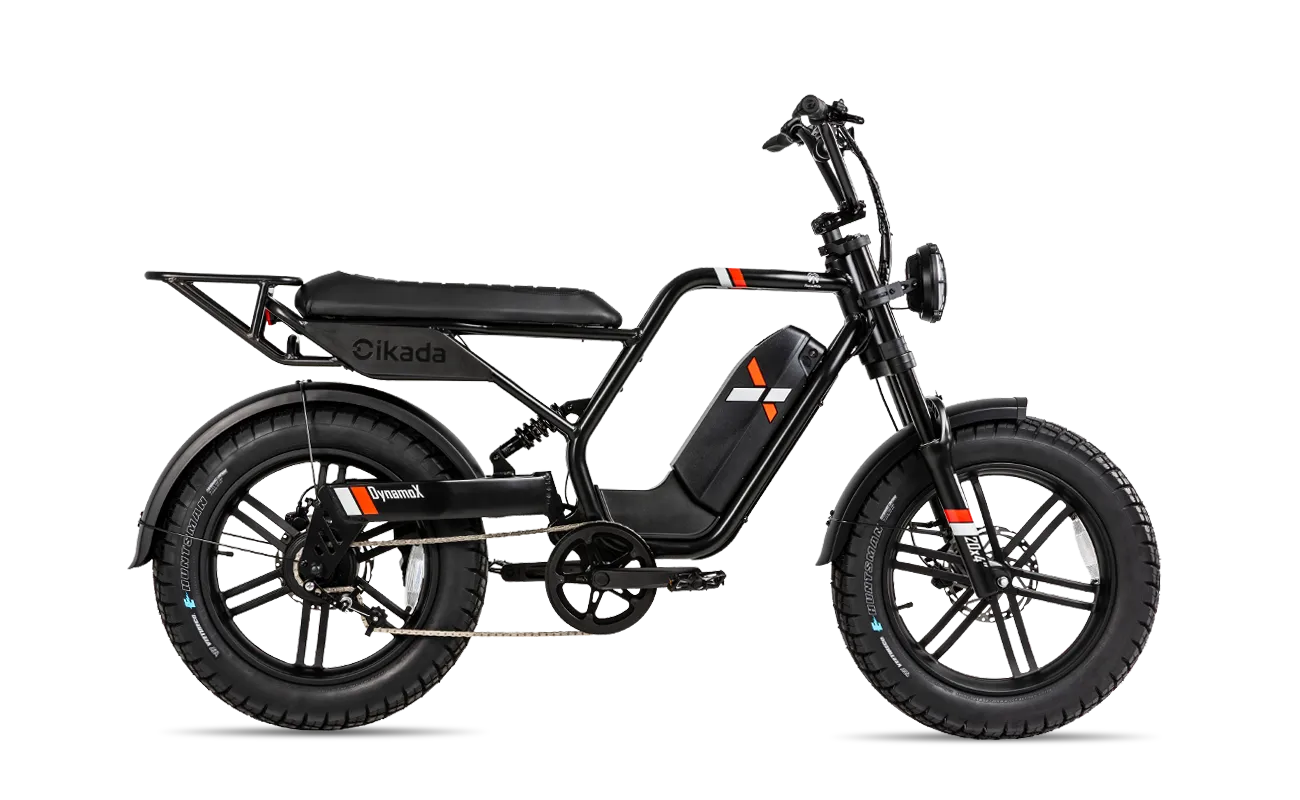
At Cikada, rider safety and reliable performance are core priorities. That’s why every Cikada electric bike is equipped with hydraulic disc brakes—no exceptions. Hydraulic brakes align with the demands of real‑world riding, from urban streets to longer weekend trips. They provide the stopping power, control, and system integrity that modern e‑bike riders expect.
If you’re evaluating e‑bikes, this is a meaningful difference: you’ll get premium braking from day one, without needing to upgrade later.
Explore models built with strong braking in mind
If you want to see e‑bike options that pair quality braking with modern design and components, check out the full Cikada selection:
View the Cikada e‑Bike Collection.
Whether you need a city commuter, touring, or utility model, the lineup is designed to deliver safe, reliable rides—starting with braking that’s ready for real use.
Final takeaway
Yes, e‑bike brakes are different—and choosing the right type is a safety decision, not just a cost choice. Hydraulic disc brakes deliver clearer advantages in power, control, and consistency, which is why they’re the preferred standard on today’s serious e‑bikes. With all Cikada bikes using hydraulic discs, riders can focus on the ride, not on whether their brakes will hold up when it counts.
Follow us for tips and updates
Stay in the loop for riding tips, product news, and more:
Follow Cikada on Facebook and Instagram for fresh content and community updates.