



How Much Does an E-Bike Really Cost You (and Save You) Long-Term?

Electric bikes are often seen as a big upfront purchase—but the real question most riders should be asking is this:
What does an e‑bike actually cost (and save) you over time?
When you look beyond the price tag and consider fuel savings, maintenance, health benefits, and lifestyle changes, an e‑bike can be far more affordable than it seems. Let’s break it down.
1. The Upfront Cost: What You Pay on Day One
Most quality e‑bikes today fall somewhere between $1,500 and $4,000, depending on components, battery capacity, motor system, and overall build quality.
While that may feel steep compared to a traditional bike, it’s important to remember:
-
You’re buying a vehicle, not just a bicycle
-
You’re replacing—or reducing reliance on—more expensive transportation options
-
Higher‑quality components typically mean lower costs over time
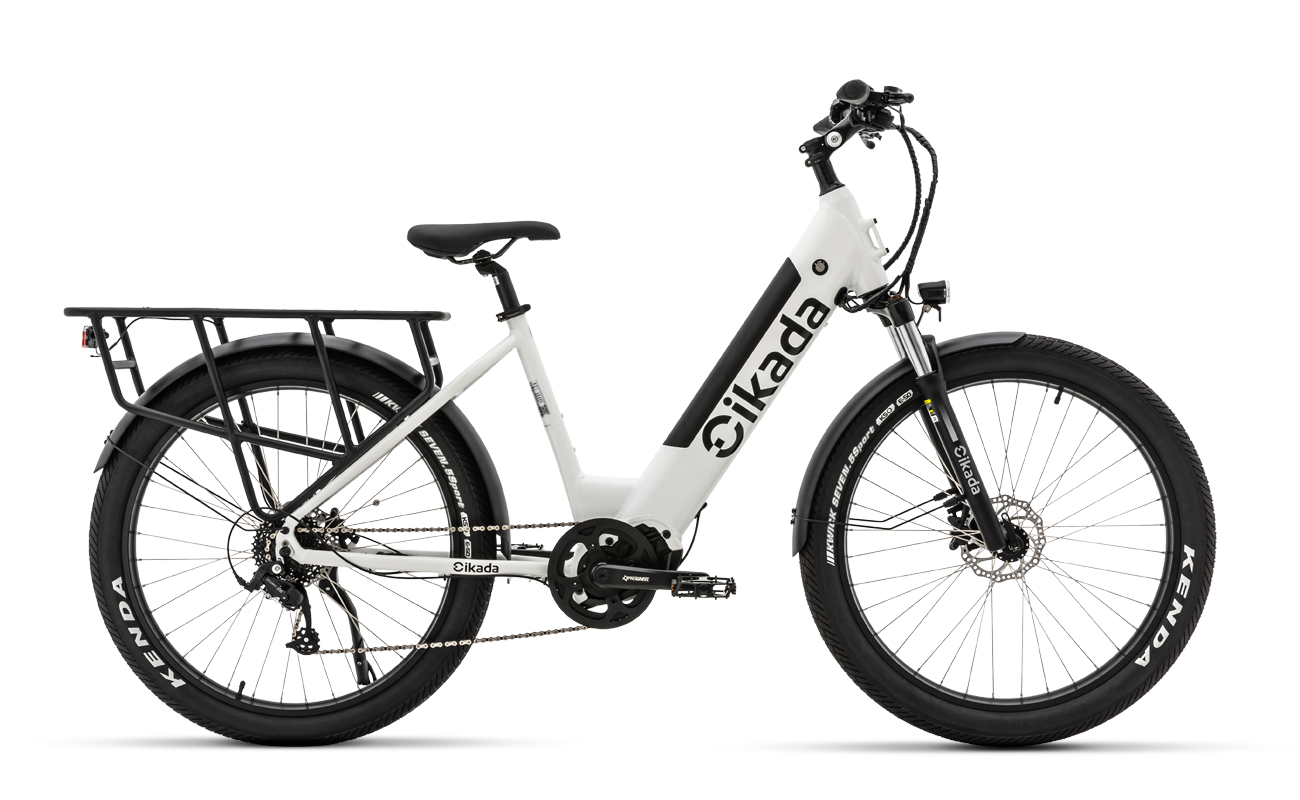
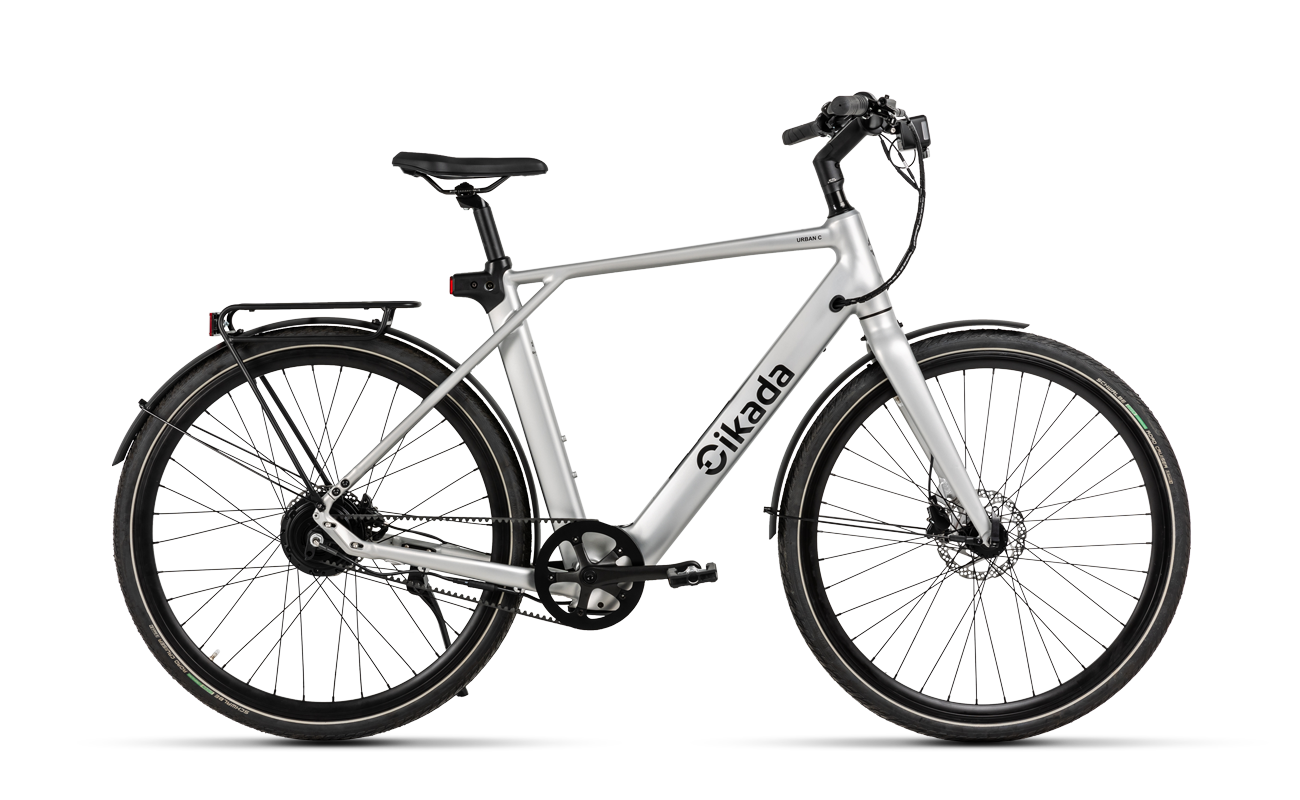
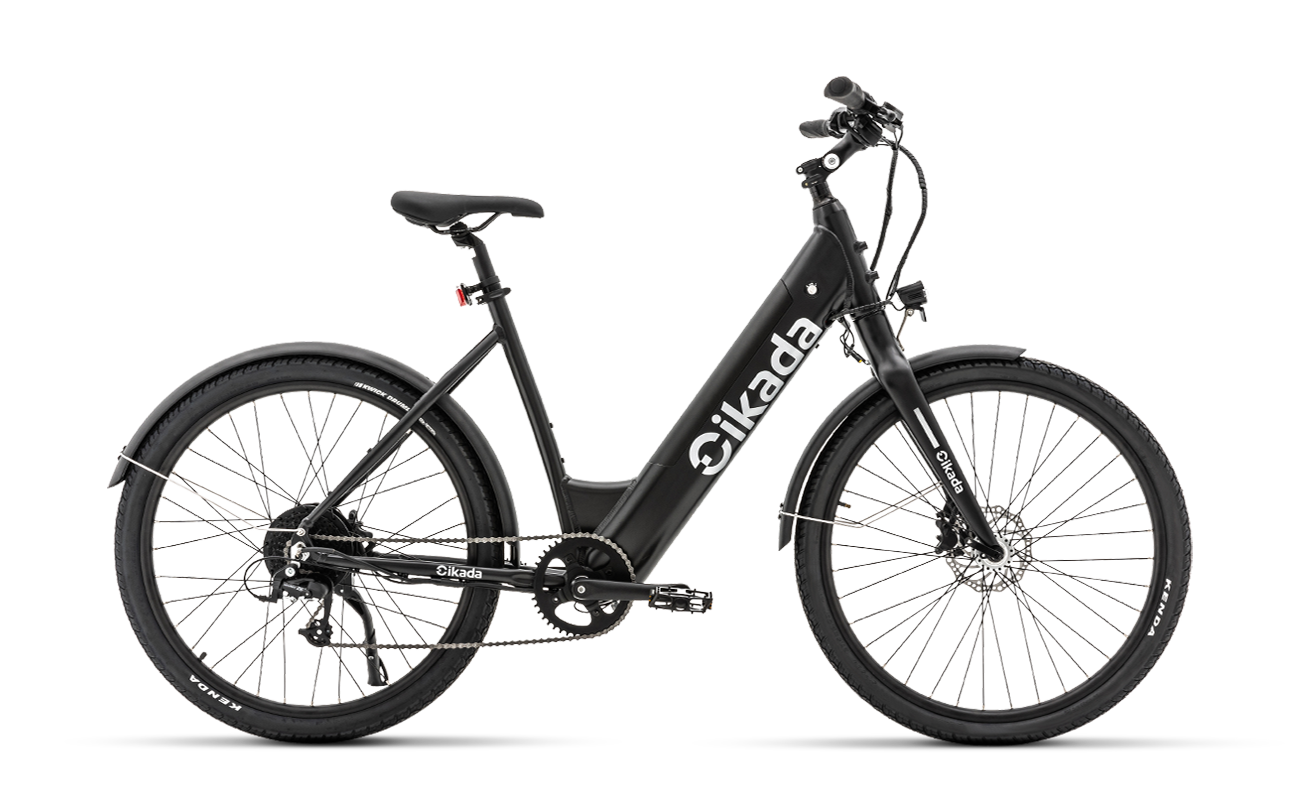
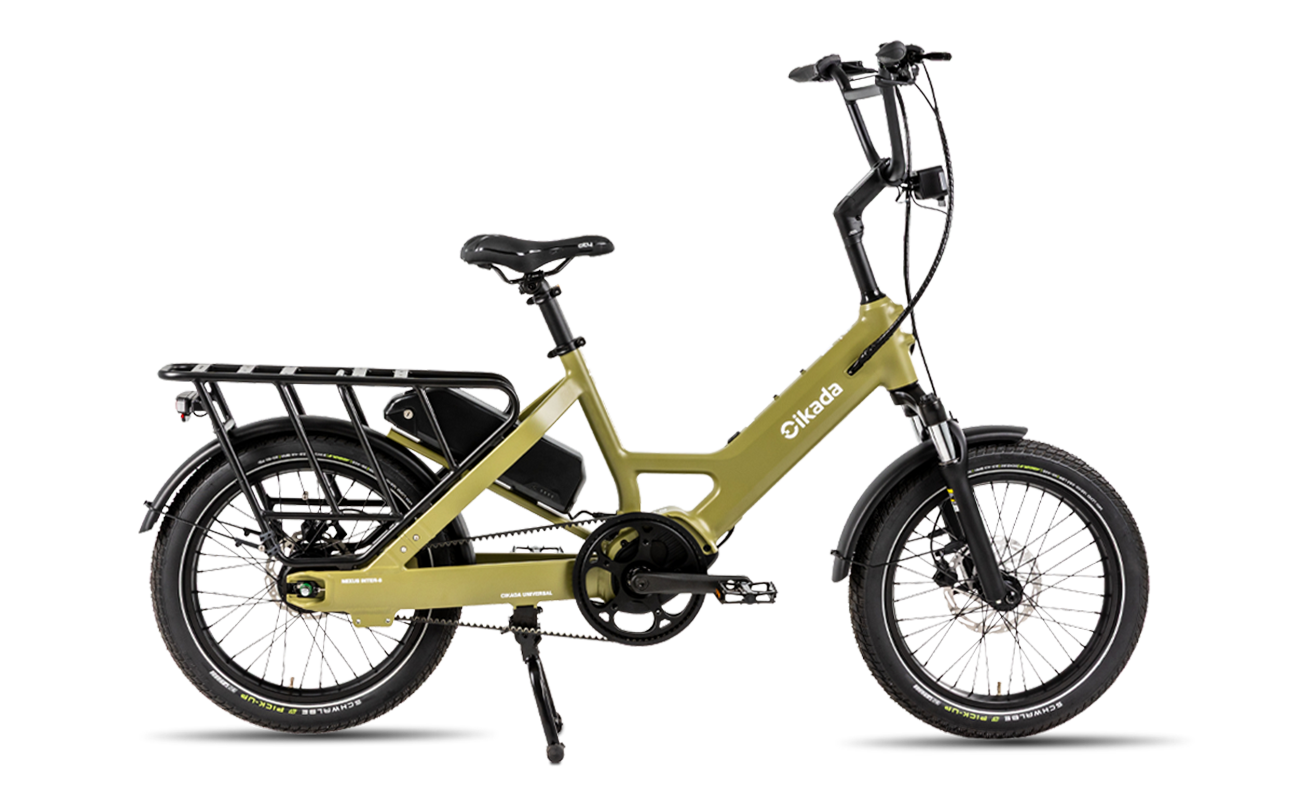
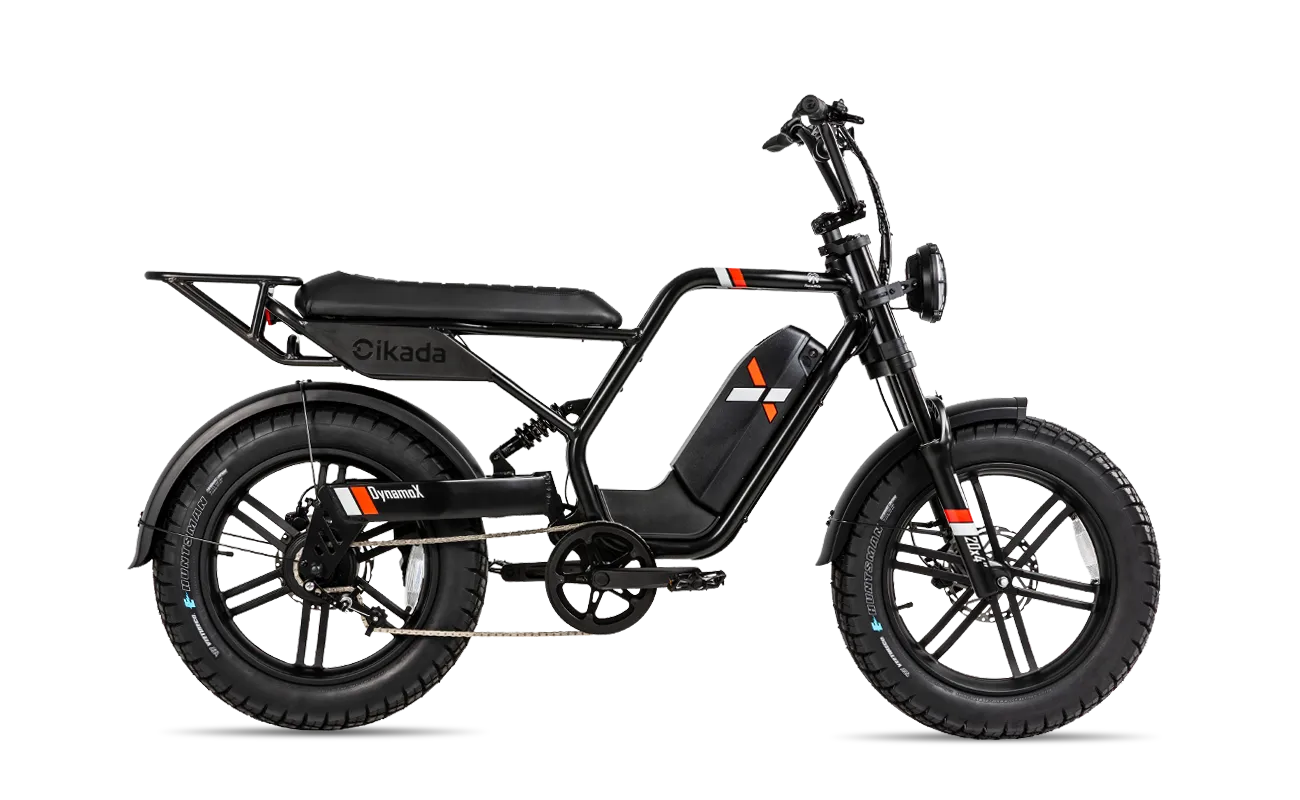
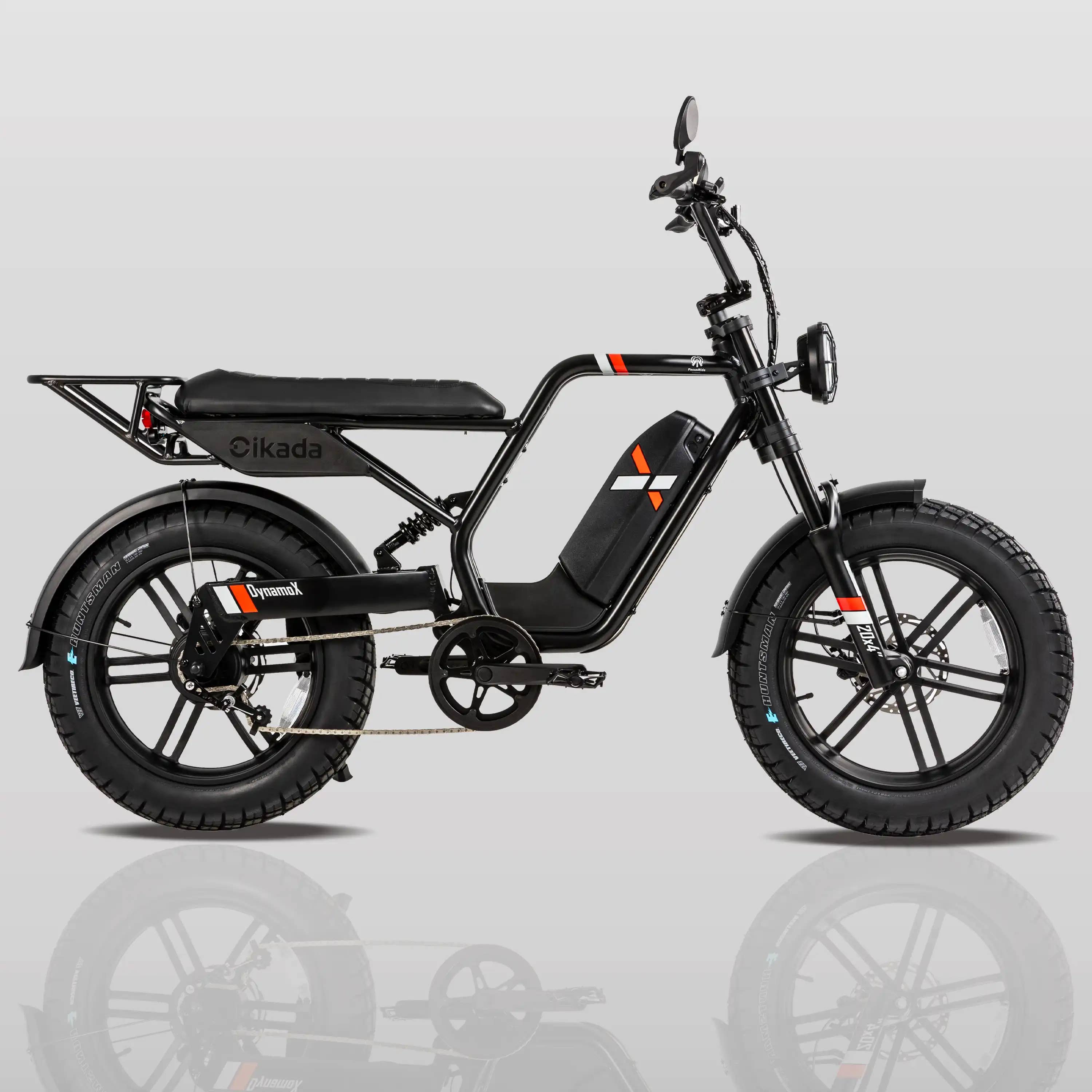
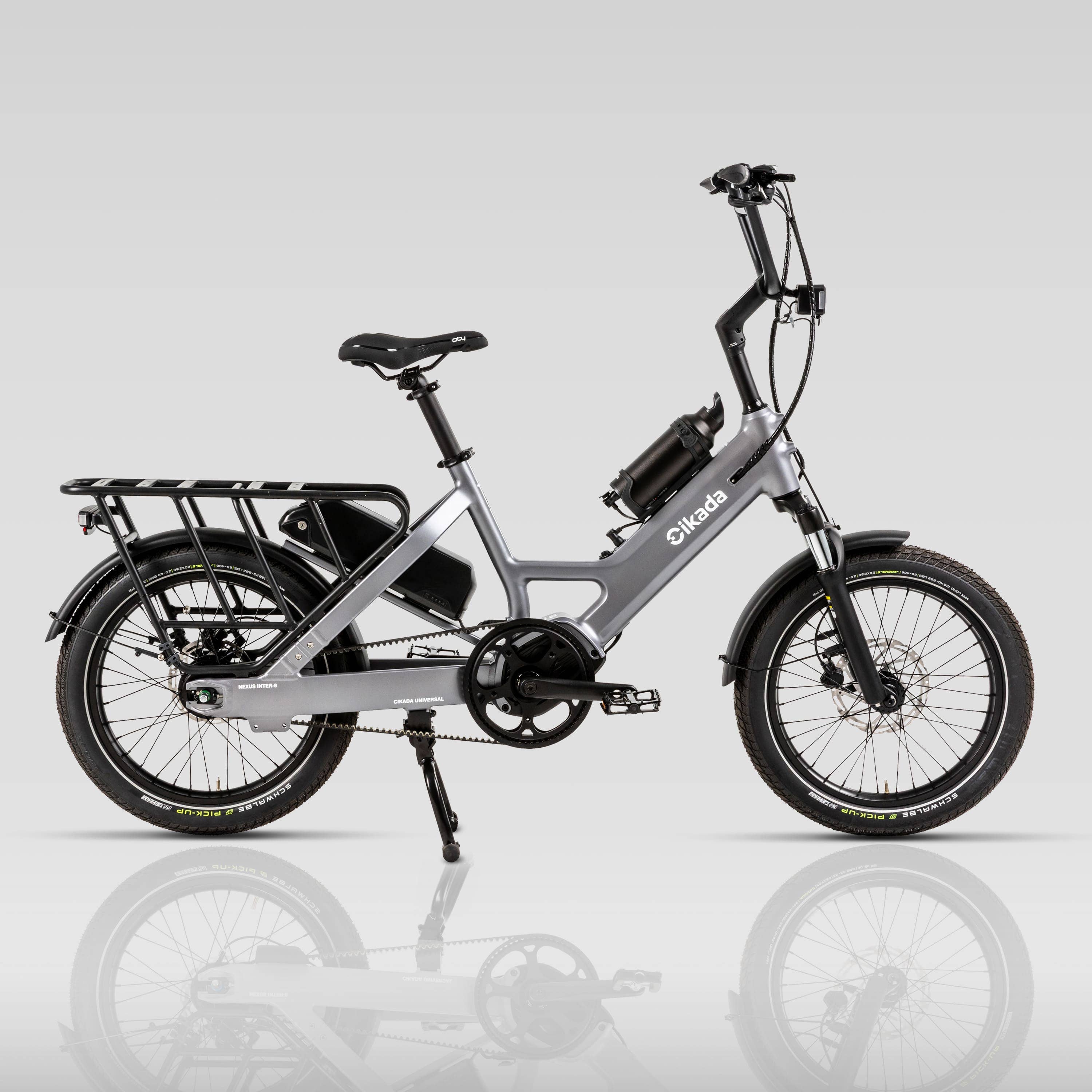
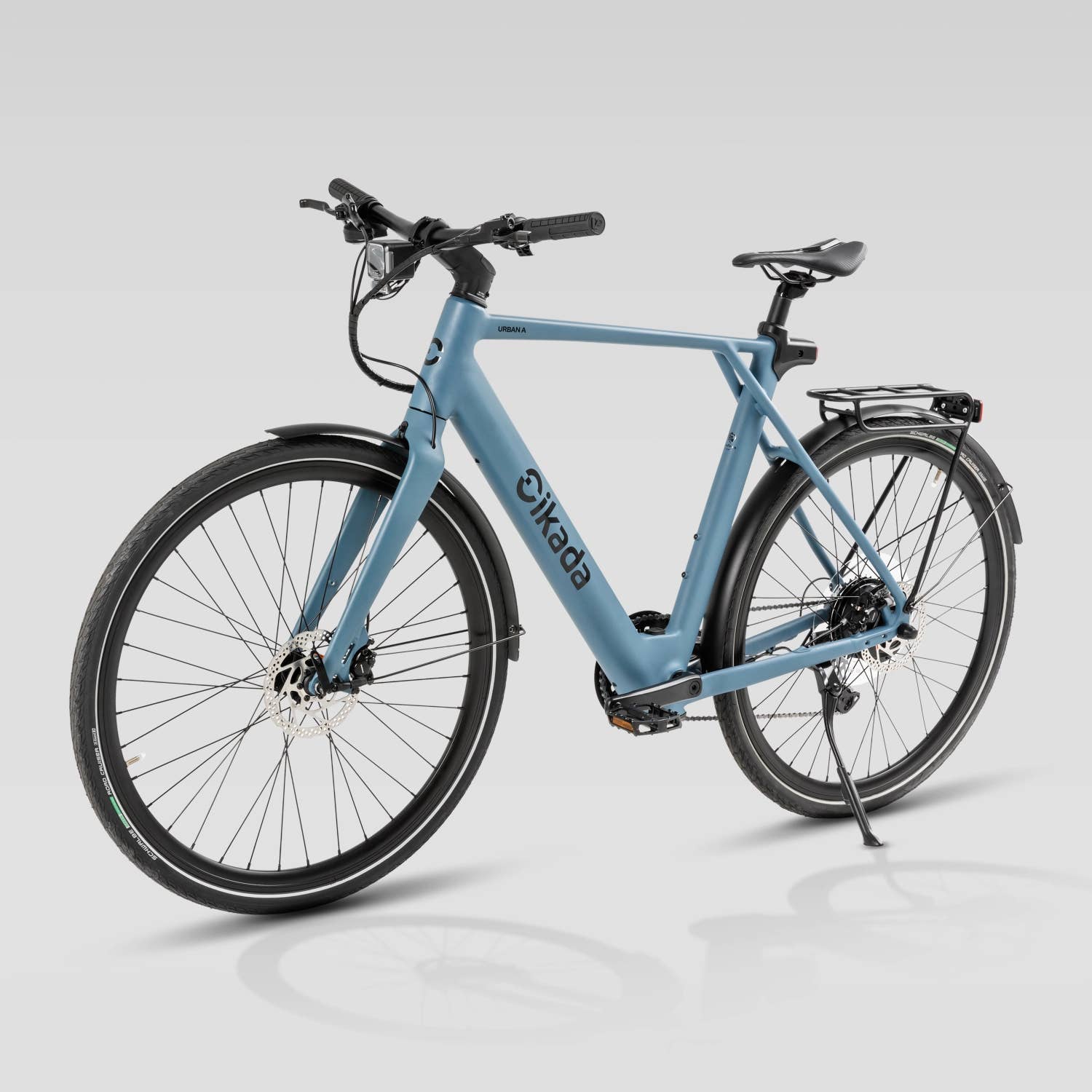
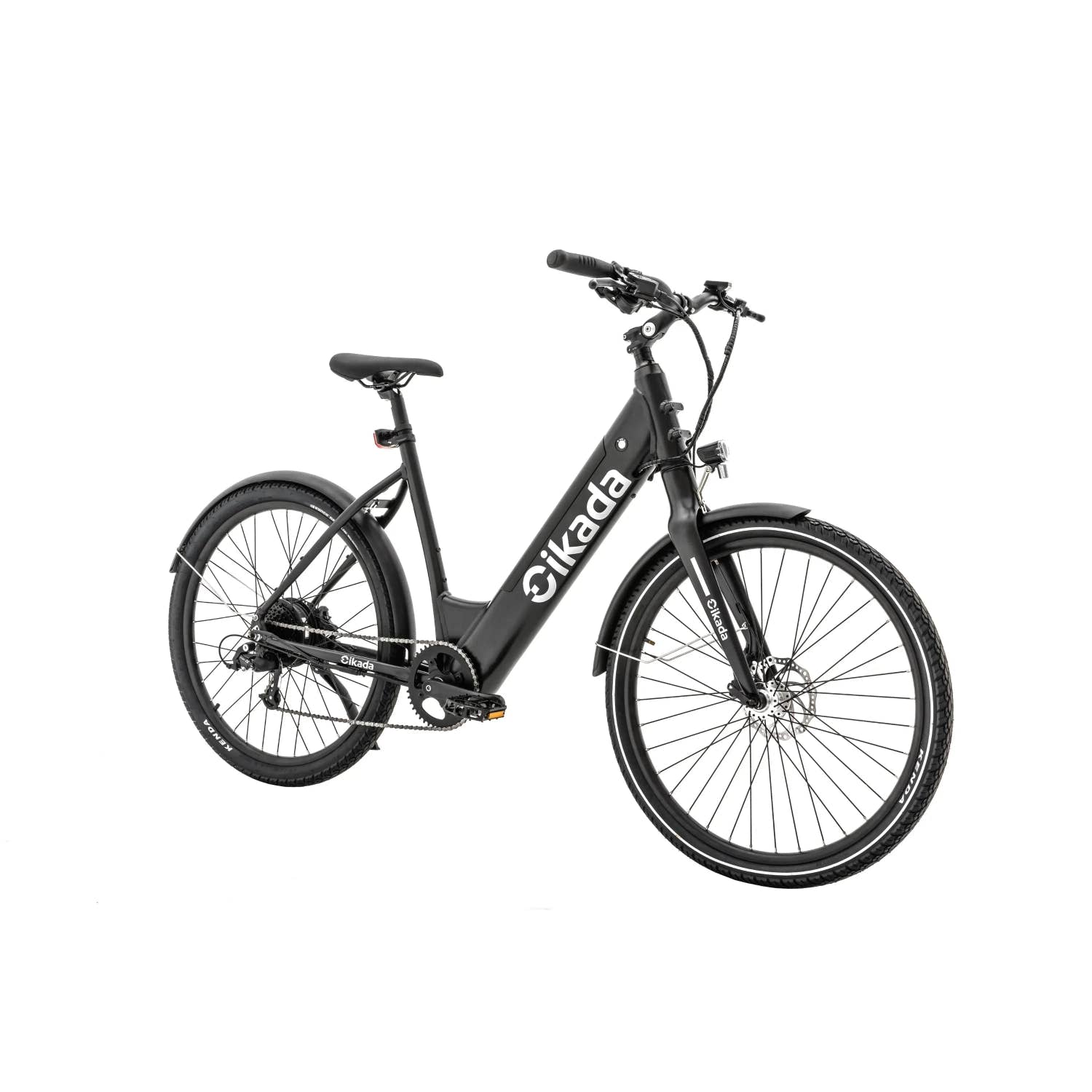
Premium e‑bikes, like those in the Cikada lineup, focus on durability, integrated systems, and ride efficiency—helping riders avoid frequent repairs or early replacements.
👉 Explore our full lineup here
2. Fuel Savings: Where the Real Money Adds Up
Let’s compare an e‑bike to a car for short daily trips.
Average car costs:
-
Gas: $150–$250 per month
-
Parking fees
-
Tolls
E‑bike electricity costs:
-
Roughly $0.10–$0.30 per full charge
-
Monthly charging cost is often less than a cup of coffee ☕
If you replace just a few car trips per week with an e‑bike, many riders save $1,000–$2,000 per year in fuel and parking alone.
Over 3–5 years, that can completely offset the cost of the bike.
3. Maintenance: Lower Than You Think
Compared to cars—or even motorcycles—e‑bikes are surprisingly affordable to maintain.
Typical annual e‑bike maintenance includes:
-
Brake pads
-
Chain or drivetrain service
-
Occasional tire replacement
Estimated cost: $150–$300 per year
There’s:
-
No oil changes
-
No engine servicing
-
No expensive mechanical systems
Well‑built e‑bikes with quality components (motors, batteries, and electronics designed to work together) tend to require less troubleshooting and fewer unexpected repairs.
4. Battery Replacement: Planning Ahead
Batteries are often the biggest long‑term concern—but they’re more durable than many people think.
-
Most modern e‑bike batteries last 5–7 years or 700–1,000 charge cycles
-
Replacement costs typically range from $500–$800, depending on capacity and brand
Spread over several years, that’s a manageable cost—especially when compared to ongoing fuel and maintenance expenses of a car.
5. Health & Lifestyle Savings (The Hidden Value)
E‑bikes don’t just save money—they can reduce other long‑term costs too.
Riders often report:
-
Increased daily movement
-
Less stress during commutes
-
Fewer skipped workouts
That can translate to:
-
Lower healthcare costs over time
-
Improved mental well‑being
-
More consistency in staying active
Because pedal assist makes riding accessible, people ride more often and farther, turning transportation into exercise without feeling like a chore.
6. The Long‑Term Math: Cost vs. Savings
Here’s a simplified 5‑year example:
Estimated e‑bike costs:
-
Bike purchase: $2,500
-
Maintenance (5 years): $1,000
-
Battery replacement: $600
Total: ~$4,100
Estimated savings:
-
Fuel & parking savings: $1,500/year × 5 = $7,500
Net result: 👉 You could be $3,000+ ahead—not including health, time, and lifestyle benefits.
Is an E‑Bike Worth It Long‑Term?
If you:
-
Commute short to mid‑range distances
-
Run local errands
-
Want to reduce car dependency
-
Value efficiency, freedom, and flexibility
Then yes—an e‑bike isn’t just a purchase. It’s a long‑term investment.
At Cikada, we design e‑bikes to deliver reliable performance, smooth power delivery, and lasting value—so riders can focus on enjoying the ride while the savings quietly add up.
👉 Browse all Cikada e‑bikes here
Stay Connected 🚴♂️
Want more e‑bike tips, riding inspiration, and product updates?
👉 Follow us on Facebook and Instagram and ride smarter every day.
The road ahead is more affordable—and more fun—than you think.






%20you%20over%20time?%0AWhen%20you%20look%20beyond...)