



The e-bike market has exploded in recent years. A quick search online reveals dozens of ultra-affordable options promising big batteries, long range, and high speeds—all at a price that seems too good to pass up.
But here’s the reality: cheap e-bikes often come with hidden costs that show up long after checkout.
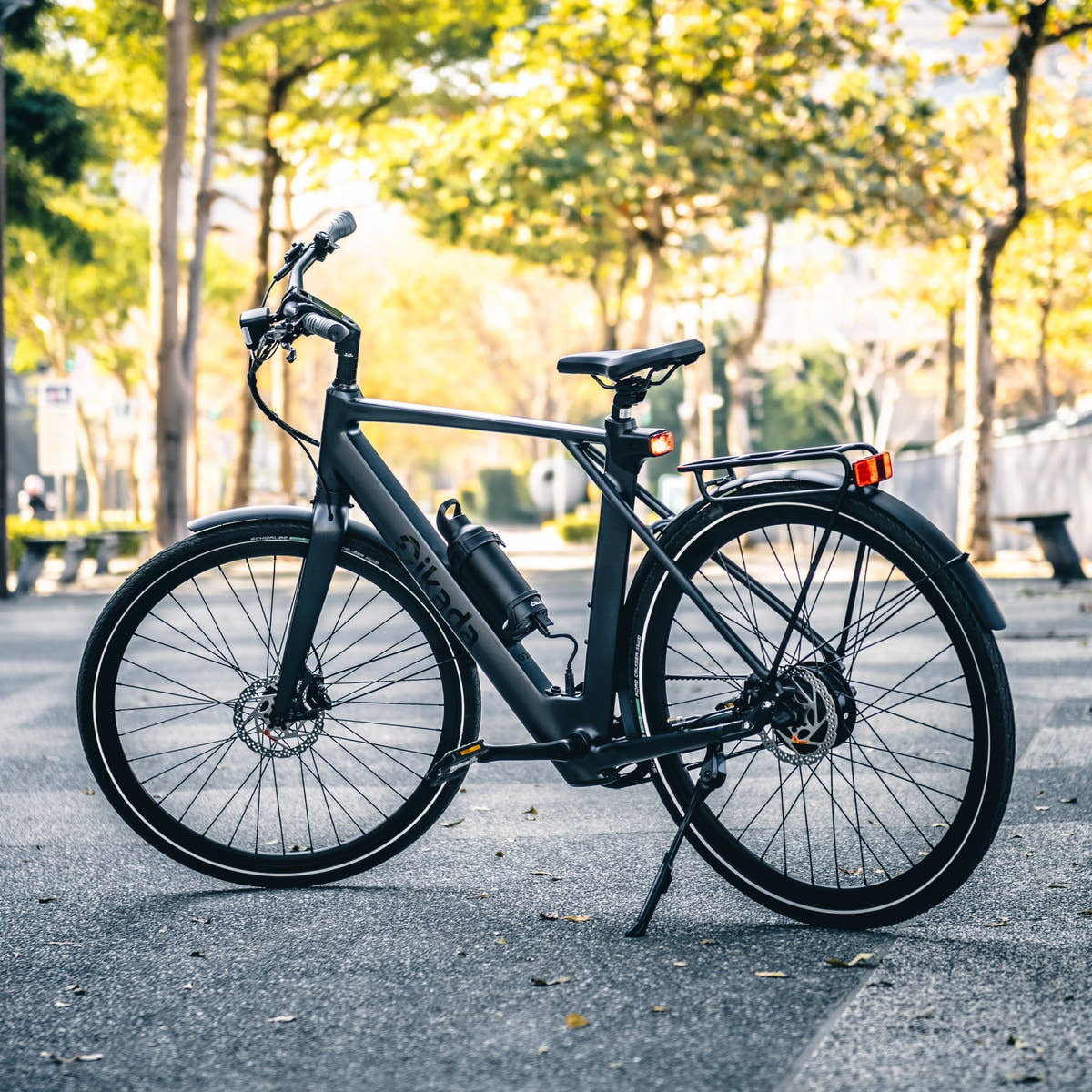
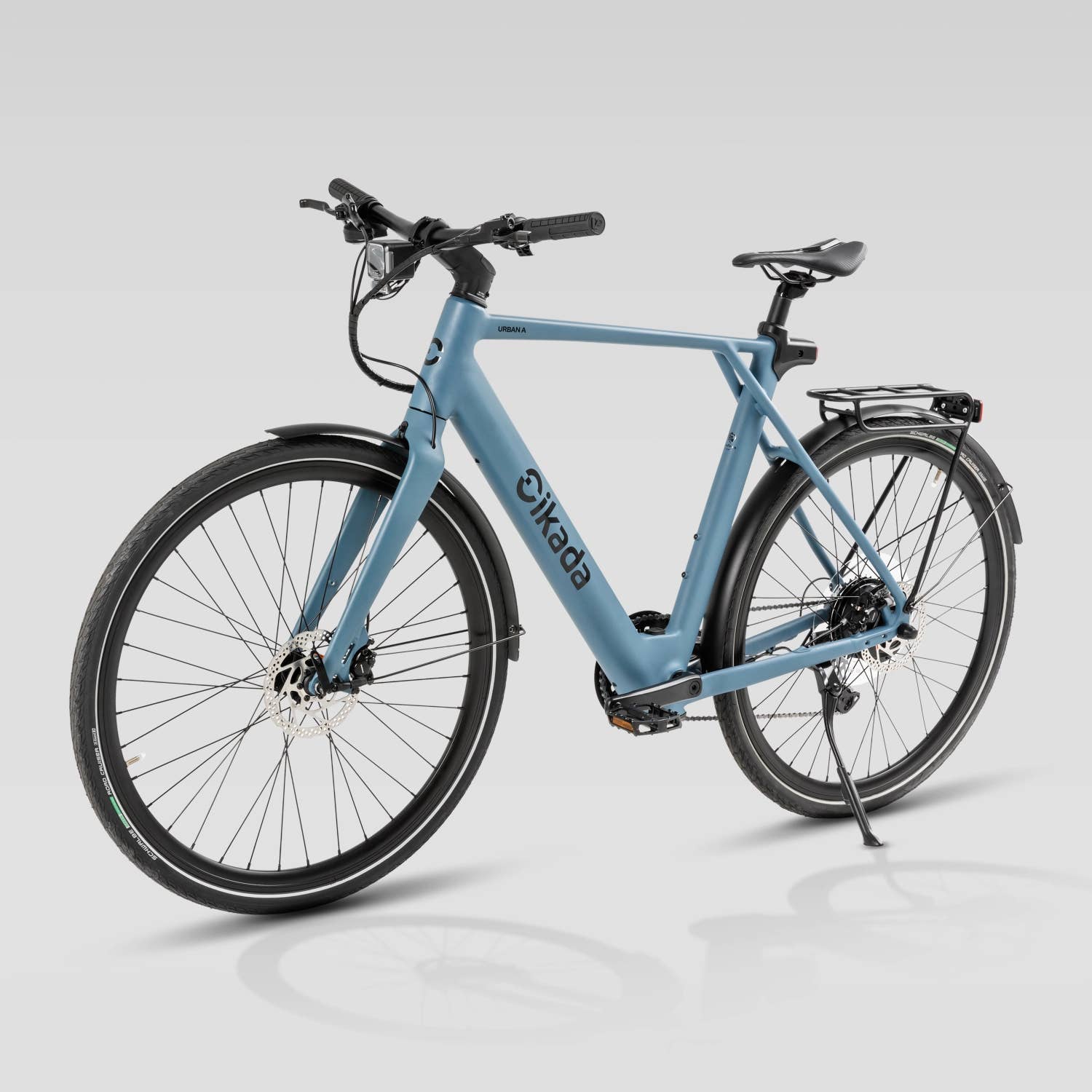
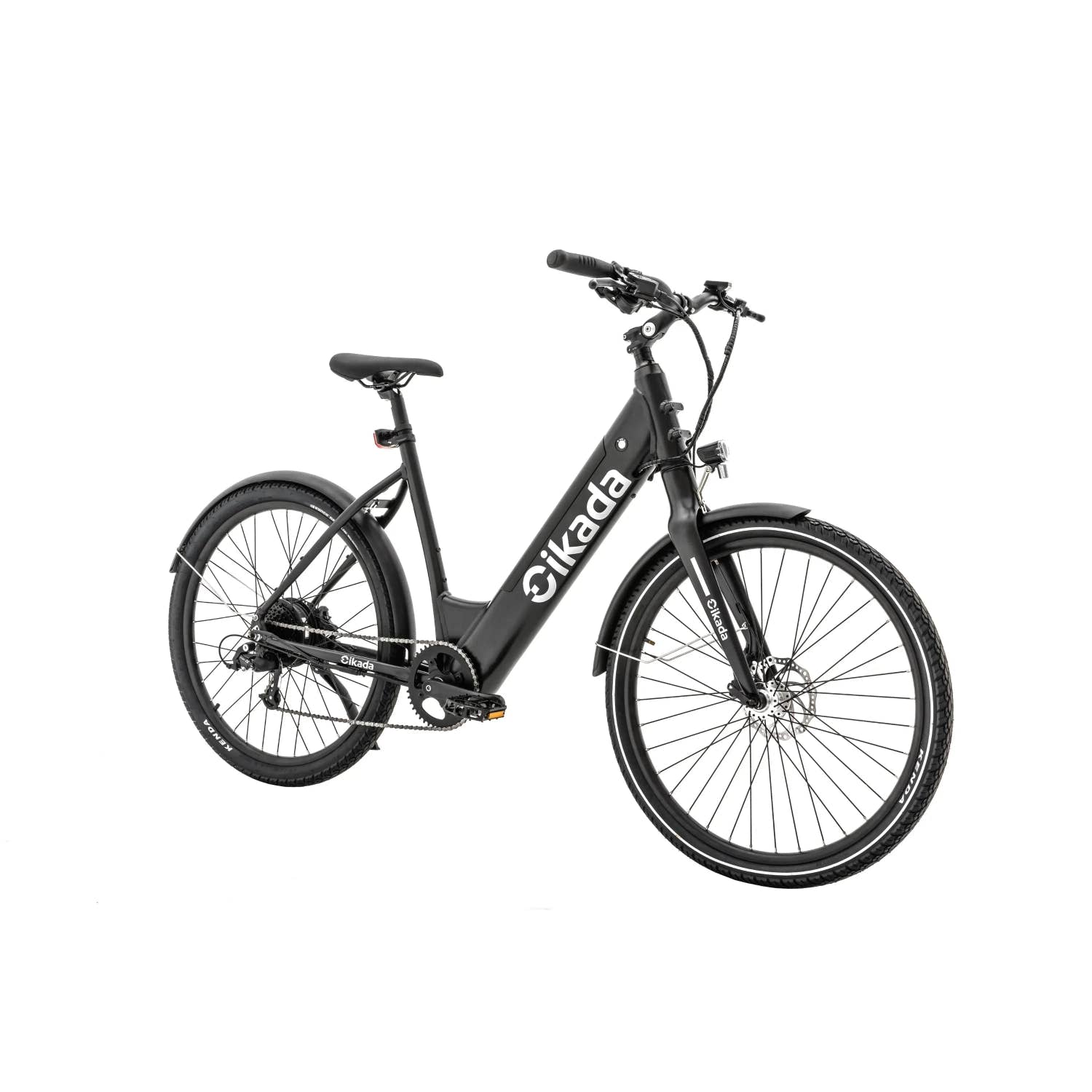
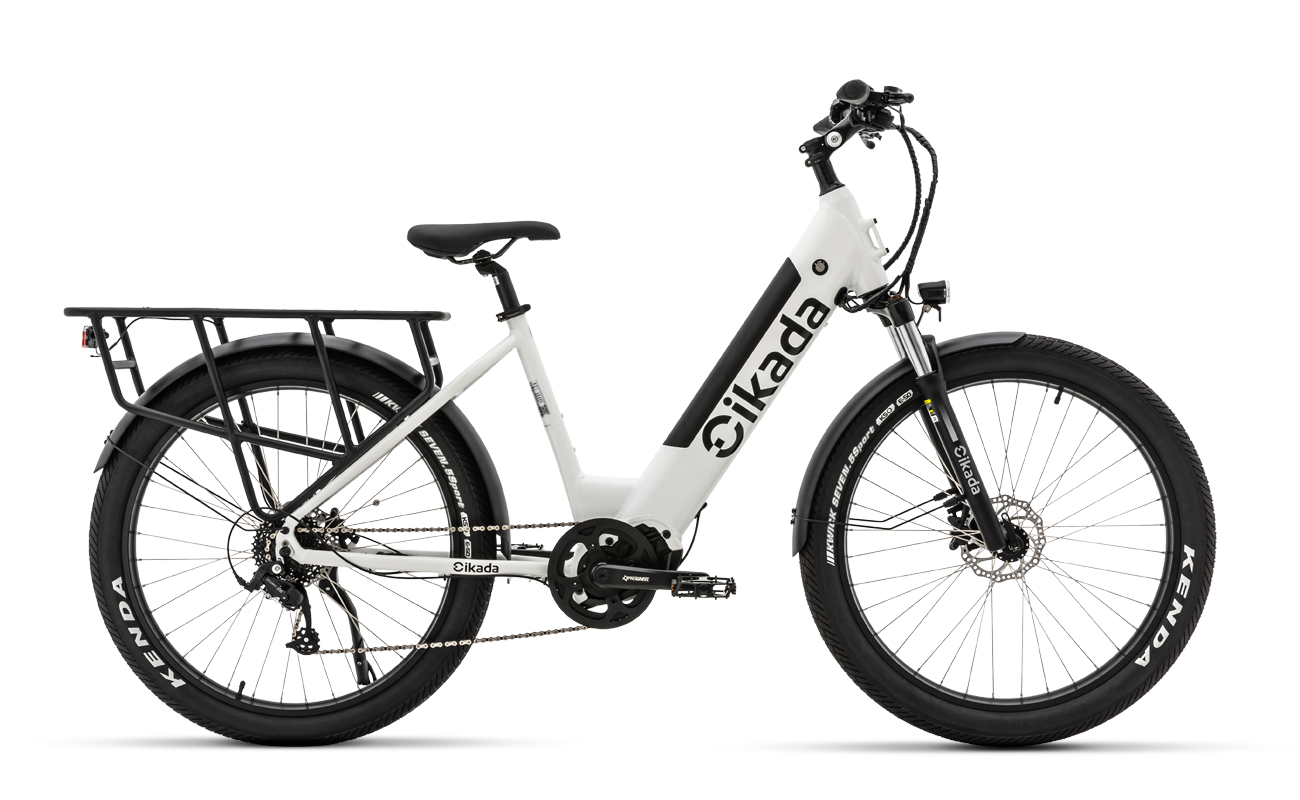
If you’re considering buying an electric bike, this guide will walk you through the true cost of budget e-bikes—and how investing in a high-quality model like the Cikada Touring can actually save you money in the long run.
1. Hidden Cost #1: Shorter Battery Lifespan
One of the biggest expenses in any e-bike is the battery. Many low-cost e-bikes cut corners here:
-
Lower-grade battery cells
-
Inconsistent power output
-
Weak battery management systems
-
Faster degradation
When a cheap battery starts losing capacity after a year or two, replacement can cost $400–$800+.
At Cikada, we have PowerFlow technology, designed for:
-
Consistent power delivery
-
Optimized energy distribution
-
Extended battery lifespan
-
Dual-battery support (where applicable)
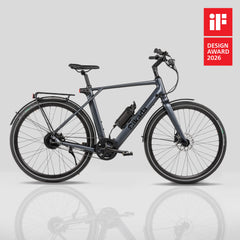
For example, the Cikada Touring was real-world tested by Electric Bike Report and achieved up to 120 miles of range in Pedal Assist 1—2–3x more than many competitors. That level of efficiency isn’t luck. It’s engineering.
2. Hidden Cost #2: Inferior Motors & Electronics
Many ultra-cheap e-bikes use unbranded motors and controllers. While they may work initially, common long-term issues include:
-
Jerky pedal assist
-
Poor torque response
-
Overheating on hills
-
Inconsistent speed output
-
Early component failure
The result? Costly repairs—and downtime when your bike should be getting you to work or on adventure rides.
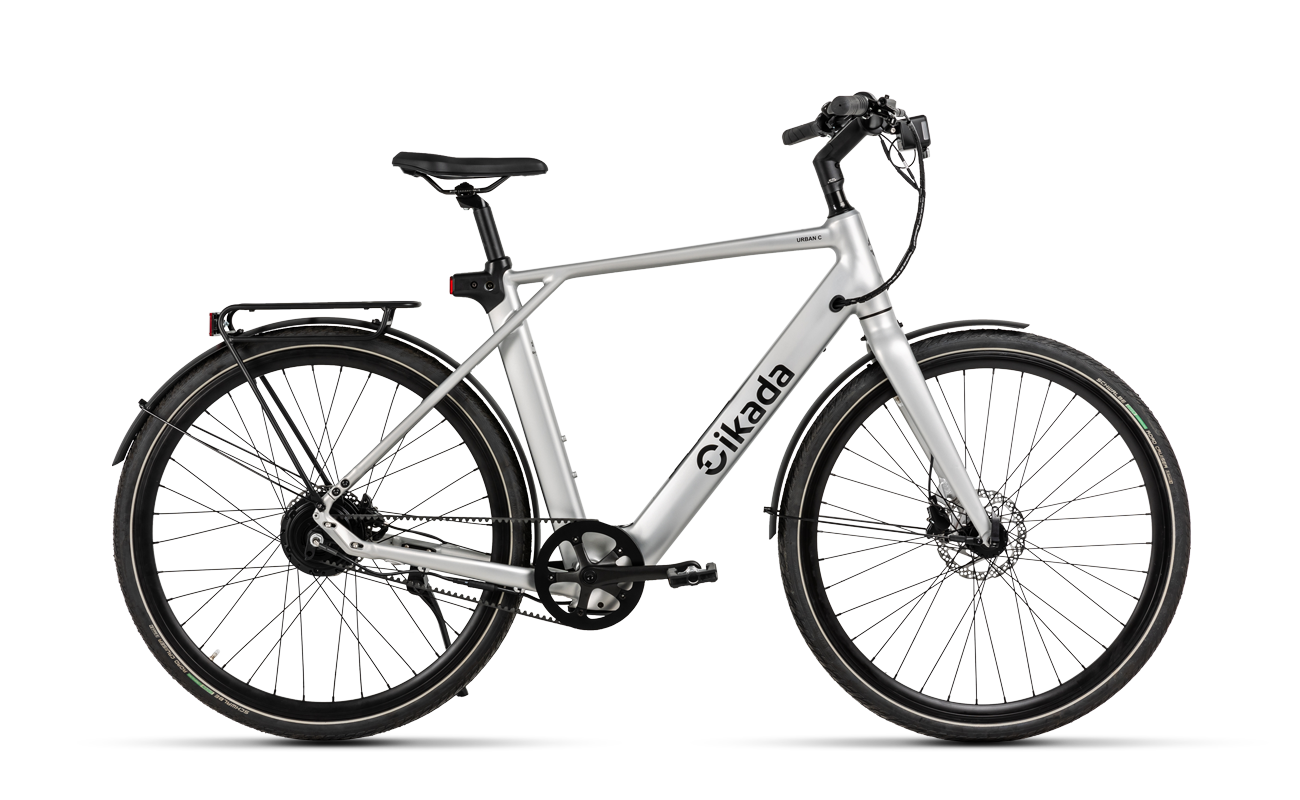
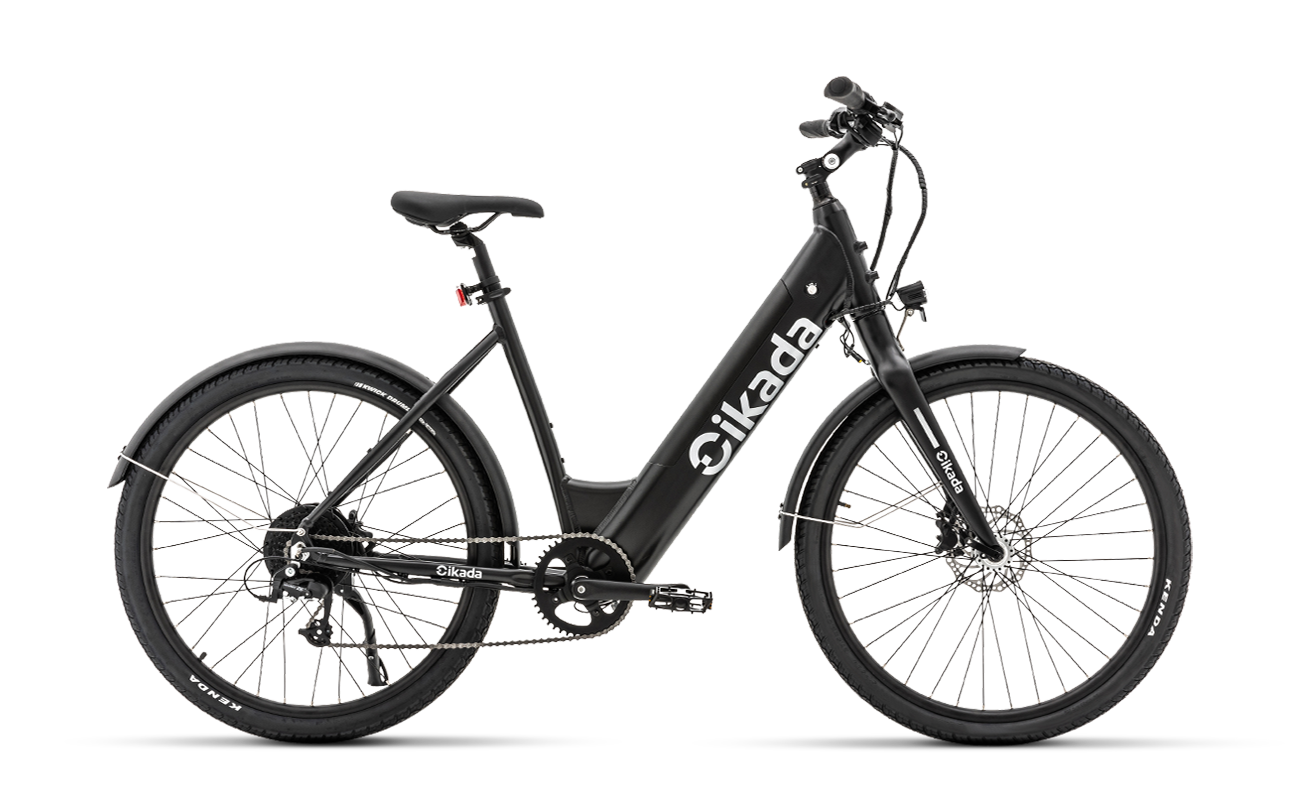
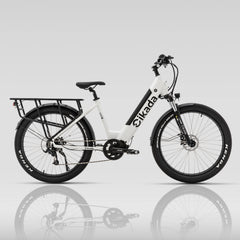
Cikada City and Touring models feature fully integrated Bafang systems, including:
-
Motor
-
Controller
-
Display
-
Sensors
-
Software ecosystem
This integration matters. It means smoother ride feel, more predictable performance, and easier servicing compared to mismatched off-brand components.
3. Hidden Cost #3: Brake & Drivetrain Wear
Cheap e-bikes often use entry-level mechanical brakes and low-quality drivetrains. On a heavier electric bike, this can lead to:
-
Rapid brake pad wear
-
Warped rotors
-
Chain stretch
-
Cassette damage
You’ll end up replacing consumables far more frequently than expected.
Premium builds prioritize:
-
Quality hydraulic braking systems
-
Durable drivetrain components
-
Proper weight balance
-
Optimized torque delivery
All of which reduce wear and tear over time.
4. Hidden Cost #4: Poor Frame Engineering
An e-bike frame must handle:
-
Motor torque
-
Battery weight
-
Higher average speeds
-
Daily commuting stress
Budget frames may flex, creak, or even develop structural issues over time.
Premium e-bikes invest in:
-
Stronger welds
-
Reinforced geometry
-
Higher-quality materials
-
Better quality control
The result? A bike that still feels solid years down the line—not something you’re looking to replace after 18 months.
5. Hidden Cost #5: Limited Warranty & Support
Many low-cost brands:
-
Offer minimal support
-
Have unclear warranty policies
-
Disappear after a few years
-
Lack service networks
When something fails, you may struggle to find parts or help.
Cikada is building for the long term, with:
-
Structured warranty coverage
-
Ongoing software ecosystem support via the Cikada App
-
A growing North American dealer and service network
Support matters just as much as specs.
6. Hidden Cost #6: Lower Resale Value
A premium e-bike with:
-
Recognized components
-
Strong brand reputation
-
Verified performance
-
High range capability
…will retain significantly more resale value than an unknown, budget model.
When you buy quality, you’re not just buying performance—you’re protecting your investment.
7. The Real Cost Comparison
Let’s compare:
Cheap E-Bike:
-
$1,199 upfront
-
$600 battery replacement every 2 years
-
$300+ in higher maintenance
-
Low resale value
-
Frustration factor
Premium E-Bike:
-
Higher upfront cost
-
Longer battery life
-
Fewer repairs
-
Higher resale value
-
Superior ride experience
-
Real long-distance capability
Over 3–5 years, the “cheap” option often ends up costing more.
Why Cikada Bikes Are Built Differently
At Cikada, we don’t compete on being the cheapest. We compete on:
-
Integrated premium components
-
Real-world tested range performance
-
Long-term durability
-
Advanced battery management
-
Intelligent ride systems
The Cikada Touring is designed specifically for riders who want to make distance feel easy—without sacrificing reliability.
When your e-bike is something you depend on daily, quality isn’t a luxury. It’s essential.
Final Thoughts: Buy Once, Ride Longer
A cheap e-bike may save you money at checkout—but the hidden costs often show up later in repairs, replacements, frustration, and reduced lifespan.
Investing in a premium e-bike like Cikada means:
-
Better components
-
Better engineering
-
Better range
-
Better long-term value
If you’re serious about riding farther, commuting smarter, or touring confidently, choose quality the first time.
🚴 Ready to Ride Smarter?
Explore the Cikada Touring and experience up to 120 miles of real-world range:
👉 https://cikadabikes.com/products/cikada-touring-e-bike
And don’t forget to follow us for more e-bike tips, insights, and product updates:
📘 Follow us on Facebook
📸 Follow us on Instagram
Ride farther. Ride smarter. Ride Cikada.